
Ways to Create a More Immersive Outdoor Travel Experience
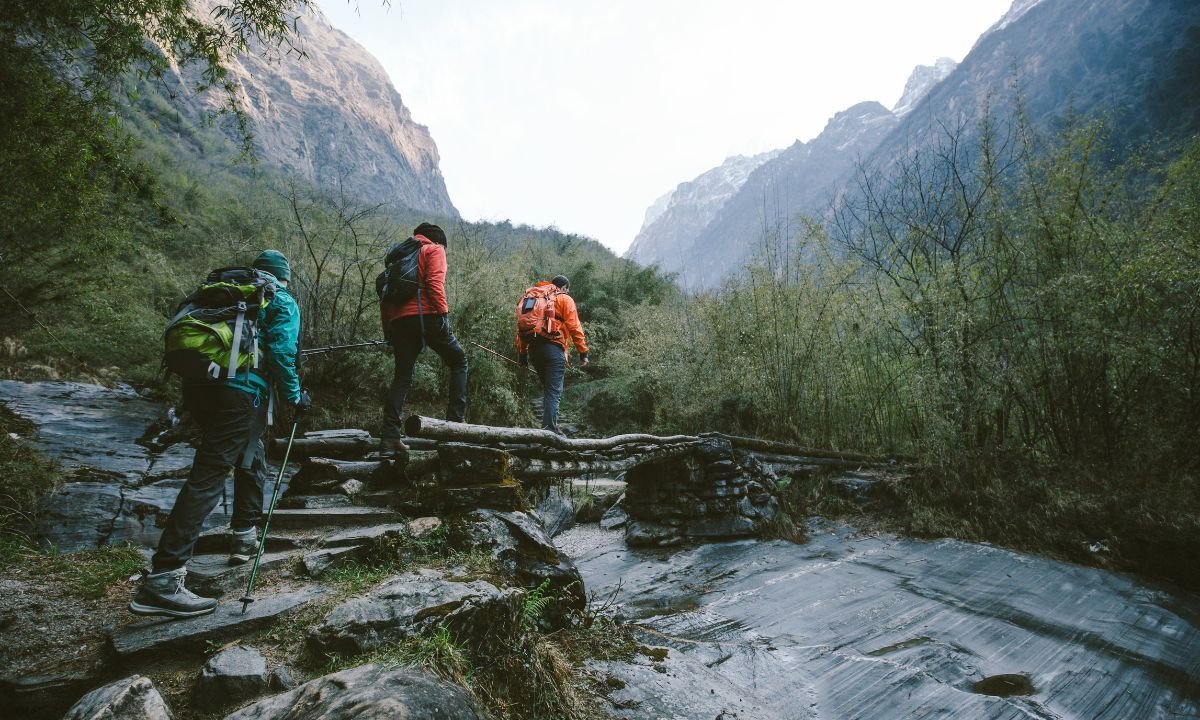
Outdoor travel can be much more than visiting a scenic destination, snapping a few photographs, and moving on to the next stop. Some of the most memorable trips happen when travelers slow down and interact with the environment around them. Hiking through a quiet forest, spending an afternoon on a river, watching wildlife from a respectful distance, or learning about the landscape from someone who knows it well can create a much stronger connection to a place.
Finding ways to create a more immersive outdoor travel experience often comes down to changing how you approach the trip. Instead of treating nature as a backdrop, you can make the landscape an active part of the journey. Thoughtful planning, local activities, flexible schedules, and a willingness to engage with unfamiliar surroundings can transform an ordinary getaway into an experience that stays with you long after you return home.
Spend More Time in Fewer Places
A packed itinerary can seem like the best way to maximize a vacation, but constantly moving between destinations often leaves little time to appreciate any of them. Slowing down gives you an opportunity to notice details that are easy to miss during a brief visit.
Consider spending an entire morning exploring one trail system rather than squeezing three different viewpoints into a few hours. You may notice how the scenery changes as the sun rises, encounter wildlife that disappears later in the day, or find a quiet section of trail that becomes a favorite part of the trip.
Longer stays also provide more flexibility. Weather can change quickly in many outdoor destinations, and a less rigid schedule allows you to rearrange activities instead of abandoning them entirely.
Choose Activities That Put You in the Landscape
There is a major difference between looking at a landscape and actively moving through it. Activities such as hiking, paddling, cycling, fishing, horseback riding, and wildlife watching encourage travelers to experience their surroundings at a slower and more deliberate pace.
Water-based activities can be particularly effective because rivers and lakes often reveal areas that are difficult to appreciate from roads or overlooks. Fishing, for example, encourages patience and attention to details such as currents, water temperature, insects, vegetation, and fish behavior.
There are also multiple ways to structure an outing depending on your experience and interests. Understanding the different types of fishing trips can help travelers see how options such as wade trips, float trips, and outings of different lengths provide distinct ways to interact with a river environment.
Get Away From the Busiest Areas
Popular viewpoints and attractions earn their reputations for a reason, but they rarely represent everything a destination has to offer. Spending some time away from the most heavily visited locations can provide a quieter and more personal experience.
This does not necessarily mean venturing deep into remote wilderness. A lesser-known trail, smaller lake, quiet section of river, or nearby public land may offer plenty of opportunities for solitude without requiring extensive backcountry experience.
Visitor centers, park staff, local guides, and outdoor outfitters can often point travelers toward alternatives that suit their abilities. Exploring these areas can provide a different perspective on a destination while also reducing the amount of time spent navigating crowds.
Pay Attention to the Details Around You
Immersion often comes from noticing small details rather than seeking constant excitement. Outdoor environments are filled with subtle changes that become apparent when you slow down.
Listen to the difference between wind moving through pine trees and water running over rocks. Look for animal tracks near a trail or riverbank. Notice how vegetation changes as elevation increases. Watch clouds move across a mountain range instead of immediately reaching for your phone.
These moments may seem insignificant individually, but together they create a stronger sense of place. They can also make familiar activities feel different from one destination to another.
Learn About the Environment Before You Arrive
Understanding a destination's ecology, geography, and natural history can make exploring it much more meaningful. A rocky hillside becomes more interesting when you understand how it formed. A forest becomes more dynamic when you can identify a few of its dominant tree species.
You do not need to become an expert before traveling. Reading about the region, studying a map, or becoming familiar with common wildlife can provide enough background to make observations more meaningful once you arrive.
This knowledge can also improve your ability to travel responsibly. Understanding seasonal wildlife activity, fire restrictions, trail conditions, and local regulations helps you make decisions that protect both yourself and the environment.
Spend Time With Local Guides
Maps and travel guides provide valuable information, but they cannot always replace firsthand knowledge. Local guides often understand an area's seasonal patterns, wildlife behavior, waterways, trail systems, and environmental conditions in ways that casual visitors cannot.
Guided activities can be especially useful when trying something unfamiliar. Instead of spending much of the day figuring out equipment or logistics, travelers can focus more attention on the actual experience.
A knowledgeable guide can also provide context. Learning why fish gather in certain sections of a river or why wildlife moves through a particular valley can turn an enjoyable outing into a deeper introduction to the local ecosystem.
Let the Weather Shape Part of the Experience
Travelers naturally hope for clear skies and comfortable temperatures, but outdoor trips rarely unfold exactly as planned. Rain, wind, fog, temperature swings, and changing water conditions are part of spending time outside.
Rather than viewing every weather change as an inconvenience, consider how it changes the environment. Fog can make a forest feel completely different. Light rain can intensify the smell of vegetation and soil. Cooler temperatures may increase wildlife activity in certain areas.
Safety should always come first, particularly during thunderstorms, extreme heat, flooding, or other hazardous conditions. When conditions remain safe, however, adapting to ordinary weather changes can make a trip feel more authentic.
Bring the Experience Together
A memorable outdoor trip does not necessarily require traveling farther, spending more money, or filling every day with dramatic adventures. Often, the difference comes from paying closer attention to where you already are.
Spending longer in fewer locations, trying activities that connect you directly with the environment, learning from local expertise, embracing a slower pace, and leaving room for spontaneity can all deepen your connection to a destination. These ways to make outdoor travel feel more immersive shift the emphasis from simply seeing a place to genuinely experiencing it.
When travelers give themselves enough time to observe, participate, and adapt to their surroundings, the landscape becomes more than scenery. It becomes an integral part of the journey and often the part they remember most.